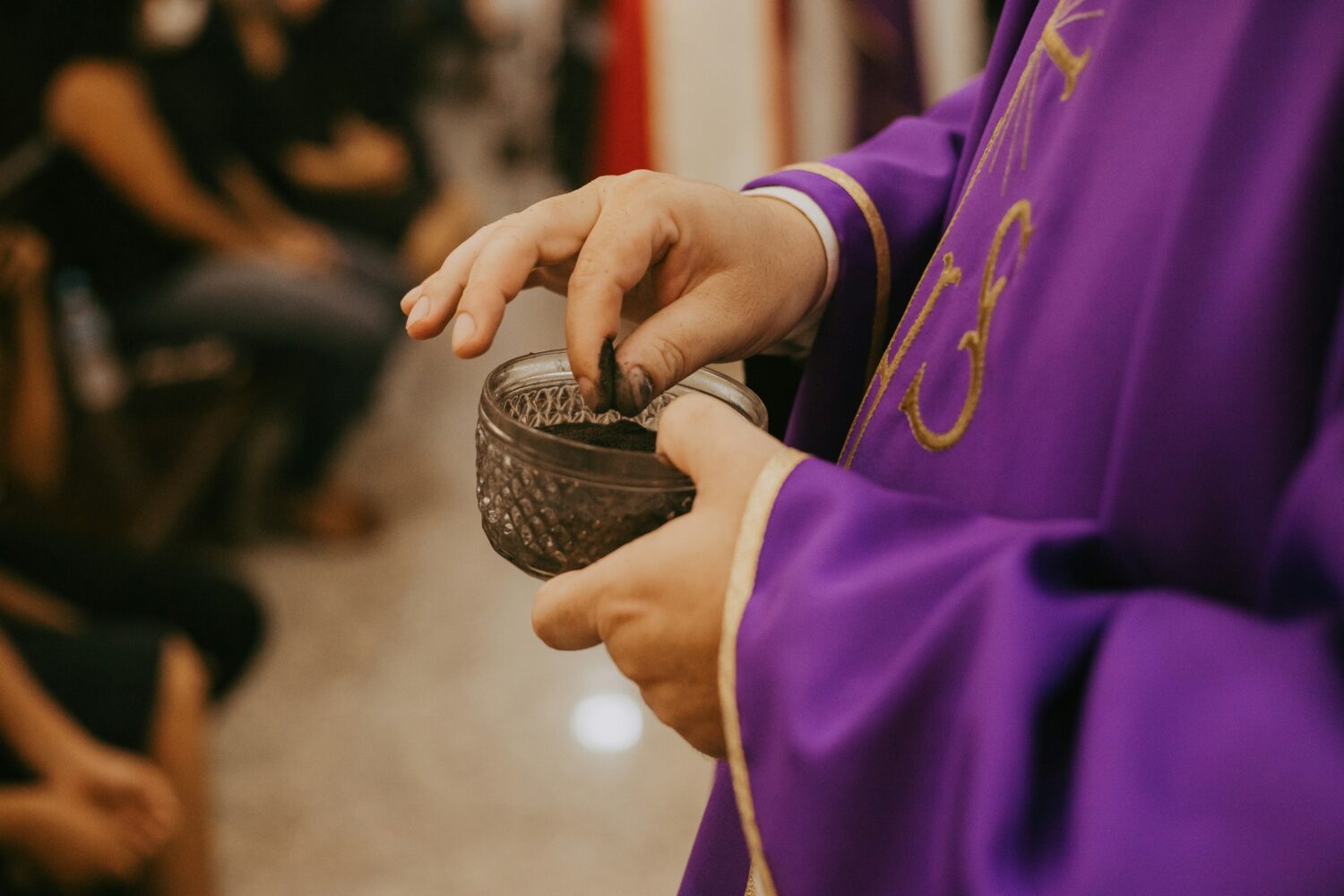
A Biblical, Historical, and Spiritual Journey of Conversion
By: Father Alexander Diaz
Lent is far more than a season of external sacrifices or a devotional custom within the Church’s liturgical calendar. It is a sacred pilgrimage of the soul — a spiritual journey of conversion in which the Church invites her children each year to return to what truly matters: a living relationship with the God who saves, heals, and renews the human heart.
From the very beginnings of Christianity, believers recognized that preparing to celebrate the Resurrection of Christ required intentional time for purification, prayer, and repentance. The earliest Christian communities accompanied catechumens — those preparing for Baptism — through weeks of fasting, instruction, and spiritual discipline. At the same time, those who had fallen into serious sin underwent a period of public penance before being reconciled with the Church during Easter.
By the fourth century, this preparation gradually took shape as a forty-day season that embraced the entire Christian community. Lent became a sacred school of conversion — a yearly opportunity to step away from distractions, confront the reality of sin, and rediscover the transforming power of God’s mercy. Thus, Lent is not a later invention or a merely symbolic season. It is deeply rooted in Scripture, apostolic tradition, and the very rhythm of Christian life.
The Sacred Meaning of Forty Days
In Sacred Scripture, the number forty consistently marks moments of spiritual testing, purification, and preparation for God’s decisive action in history. It is not simply a measure of time, but a symbol of transformation. Israel wandered through the desert for forty years, learning dependence on God after centuries of slavery in Egypt. The desert stripped away illusions of self-sufficiency and taught the people to live by God’s providence alone.
Moses remained forty days on Mount Sinai in fasting and prayer before receiving the Law — a sacred encounter that sealed the covenant between God and His people.
Elijah journeyed forty days to Mount Horeb, sustained by heavenly bread, until he encountered God not in wind or fire, but in a gentle whisper — a reminder that God often speaks most powerfully in silence.
Most profoundly, Jesus Himself fasted forty days in the wilderness before beginning His public ministry. There He confronted temptation, reaffirmed His obedience to the Father, and prepared for the mission that would ultimately lead to the Cross and Resurrection.
Lent draws the Church into this same spiritual pattern:
desert → purification → encounter → renewal.
These forty days are not meant to burden us, but to heal us — not to punish, but to prepare us for new life.
The Lenten Desert: Where the Heart Is Revealed
In biblical spirituality, the desert holds a powerful and paradoxical meaning. It is a place of vulnerability, temptation, and struggle — yet also a place of profound intimacy with God. In the desert, Israel complained and fell into doubt, yet also encountered God’s faithfulness through daily manna and miraculous water from the rock. In the desert, Jesus faced the devil’s temptations, yet emerged victorious through trust in the Father and the power of Scripture.
The desert reveals what lies beneath the surface of the human heart — our fears, attachments, cravings, and illusions of control. But it also reveals God’s grace, which sustains us when our strength runs out. Lent becomes our spiritual desert.
It is the season when we courageously look at our lives: our sins, habits, comforts, selfish tendencies, and resistance to God’s will. Yet it is also the season when mercy flows most abundantly — when God lifts us up, heals wounds, and reshapes our hearts. Lent is not about achieving moral perfection. It is about humble transformation — allowing truth to open the door for grace.
The Lenten Desert: Where the Heart Is Revealed
In biblical spirituality, the desert holds a powerful and paradoxical meaning. It is a place of vulnerability, temptation, and struggle — yet also a place of profound intimacy with God.
In the desert, Israel complained and fell into doubt, yet also encountered God’s faithfulness through daily manna and miraculous water from the rock. In the desert, Jesus faced the devil’s temptations, yet emerged victorious through trust in the Father and the power of Scripture.
The desert reveals what lies beneath the surface of the human heart — our fears, attachments, cravings, and illusions of control. But it also reveals God’s grace, which sustains us when our strength runs out.
Lent becomes our spiritual desert.
It is the season when we courageously look at our lives: our sins, habits, comforts, selfish tendencies, and resistance to God’s will. Yet it is also the season when mercy flows most abundantly — when God lifts us up, heals wounds, and reshapes our hearts. Lent is not about achieving moral perfection. It is about humble transformation — allowing truth to open the door for grace.
Lent: A Journey toward the Resurrection
Every aspect of Lent points toward Easter.
The sacrifices we make are not ends in themselves. They prepare us to experience the joy of new life in Christ. Christianity does not glorify suffering — it glorifies love that gives itself fully. Lent invites us into the Paschal Mystery: to die to sin, selfishness, and old habits so that we may rise with Christ in renewed faith, hope, and love. It is a season of seriousness, yes — but also of great hope, because God’s mercy is always greater than our weakness.
A Sacred Gift from the Church
Like a wise mother, the Church knows that human hearts need regular seasons of renewal. Just as the body requires cleansing and rest, the soul requires purification and reorientation. Just as soil must be turned to produce fruit, hearts must be worked by grace.
Lent is not a burden placed upon us — it is a gift offered to us. It is not about sadness, but healing. Not about punishment, but transformation. Not about restriction, but freedom.
Forty Days That Can Change a Life
When lived with faith, Lent becomes a powerful season of grace.
It forms saints. It renews hearts. It prepares souls for resurrection. These forty days are an invitation to walk with Christ into the desert — and to emerge renewed, healed, and alive in His love.