A call to trust in faith
By: Rev. Alexander Diaz
Fear is among the most universal experiences of the human condition. At some moment in life, each of us has felt its weight—fear of illness, of insecurity, of an uncertain tomorrow, or even of death itself. Yet when fear becomes the compass of our choices, it clouds the horizon of faith and threatens to draw us away from the embrace of God’s love. The Apostle John reminds us with piercing clarity: “There is no fear in love, but perfect love casts out fear” (1 Jn 4:18). Fear, when enthroned in the heart, imprisons and paralyzes; faith, by contrast, opens before us the radiant path of trust and hope.
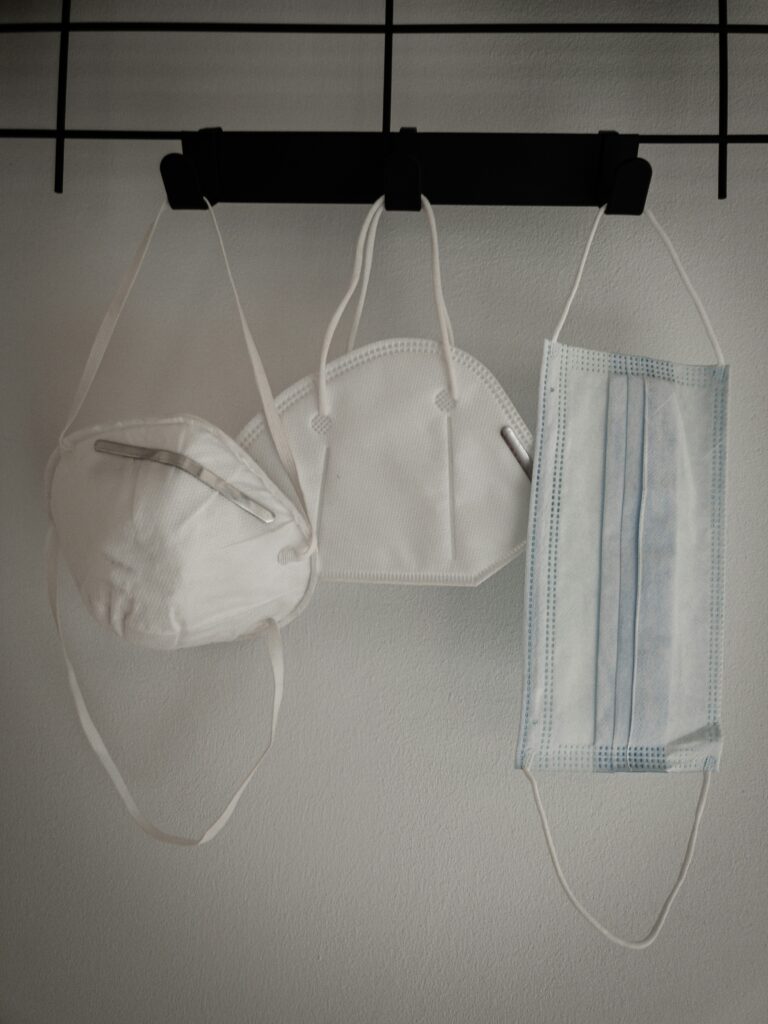
The global pandemic of COVID-19 offered a stark and painful illustration of how fear can corrode the spiritual life. Out of dread of contagion, countless faithful withdrew from the Eucharist and the sacraments. While, in its first stages, prudence required temporary restrictions, what proved disquieting was that even after the doors of the churches reopened, many did not return. Fear hardened into habit, and habit decayed into indifference. Some insisted: “God understands me; I pray in my home.” And indeed, God listens to every prayer. Yet the Christian faith is not meant to dwell in isolation: it is incarnate, sacramental, and communal. We need the Eucharist, we need the sacraments, and we need the living encounter with our brothers and sisters in Christ. As Pope Francis proclaimed: “Christianity is not an idea, not an ideology, not a system of ethical values; it is an encounter with a Person, with Jesus Christ” (Homily, April 14, 2013). To let fear rob us of this encounter is to risk reducing our faith to a shadow of itself—fragile, superficial, and easily broken.
Today, too, fear takes on new faces. Many parents, burdened by anxiety over violence and social unrest, withdraw from community life, and—more tragically still—draw their children away from the faith. The reckless spread of weapons and the dark specter of violence have sown a culture of dread in our societies. Tragic events—school shootings, massacres in public spaces—have scarred the collective conscience, engendering a climate where isolation seems safer than communion. Thus the fear of what might occur becomes the excuse to renounce what is most precious: the integral education of children, their formation in faith, and the lived experience of Christian community.

Yes, prudence is necessary. We must secure our schools, our parishes, our public spaces. To protect the young, to safeguard their well-being, is both duty and gift. Yet prudence, when distorted into timidity, becomes a mask for fear. And fear, when it governs our choices, imprisons the soul. Shielding our children from every possible risk but depriving them of the faith, of the sacraments, of the community of believers—this is no protection at all. It leaves them instead exposed to a deeper peril: the void of meaning that no security system can fill. Fear may bar the door against certain dangers, but it also bars the way to the very nourishment the soul most needs: the living Christ, encountered in the Eucharist and in His Church.
Christ Himself speaks into the heart of our fear: “Do not be afraid; I am with you always, until the end of the age” (Mt 28:20). The Christian does not deny the dangers of the world, but neither does he surrender to them as master. Against fear, our most potent weapon is not retreat, nor isolation, but prayer—the living bond with God who alone saves. Prayer is the place where fear dissolves into trust, where trembling gives way to peace, where the heart is lifted into the perfect love that casts out fear. Without prayer, fear swells into tyranny; with prayer, it becomes a school of deeper faith, pressing us closer to Christ.
Pope Benedict XVI once wrote: “The one who has hope lives differently; a new life has been given to him” (Spe Salvi, 2). Such hope blossoms from faith, and faith is sustained in prayer. Prudence is indeed a virtue, but prudence severed from faith turns sterile, even dangerous. Whoever prays and trusts in God discovers that, even in the valleys overshadowed by death, the Lord Himself walks beside them. The psalmist proclaims with timeless courage: “Even though I walk through the valley of the shadow of death, I will fear no evil, for you are with me” (Ps 23:4).
And so the question confronts us: What place does fear occupy in my life? Have I permitted it to distance me from God, from the sacraments, from the communion of believers? Have I allowed its shadow to fall upon my children, depriving them of the light of faith? Fear is human, yes—but it must never become sovereign. For only the Lord is our refuge, our strength, our peace. The pandemic, the violence, the insecurity of our times expose our fragility, yet they also summon us to rediscover what is essential: Christ, and Christ alone, is our hope, our strength, and our peace.
He calls us to trust, to walk unafraid, and to live with our eyes fixed upon eternity. Now is the appointed time to return to Him, to anchor our confidence in His promise, and to let His love deliver us from every fear.